
• +91 940-017-9573
  • info@riaindia.co.in

Your Career in Aviation
Safety
Starts Here

Become a certified Aircraft Maintenance Engineer with
hands-on training at the Regional Institute of Aviation.

For 10+2 (PCM) & Diploma
Holders

Hands-On Practical
Training

Limited to 105
Seats

A Government-Approved Institute with Best-in-Class Facilities

RIA is approved by the Directorate General of Civil Aviation (DGCA), India’s aviation regulatory authority. Our campus houses some of the finest labs, workshops, and aircraft facilities in the country — giving students an unmatched training experience.

DGCA

Approved Institute
Government-recognized training under the Directorate General of Civil Aviation

5

Aircraft on Campus
Including 3 fully functional aircraft for live maintenance training

Best-in-Class

Labs & Workshops
Among the finest aviation training facilities in India

100%

Hands-On Training
Students train on real aircraft, engines, and avionics systems

5 Aircraft
On our campus
3 Fully Functional
For live, real-world maintenance training

2 For Component Study
Stripped for deep structural learning

Understanding the Role

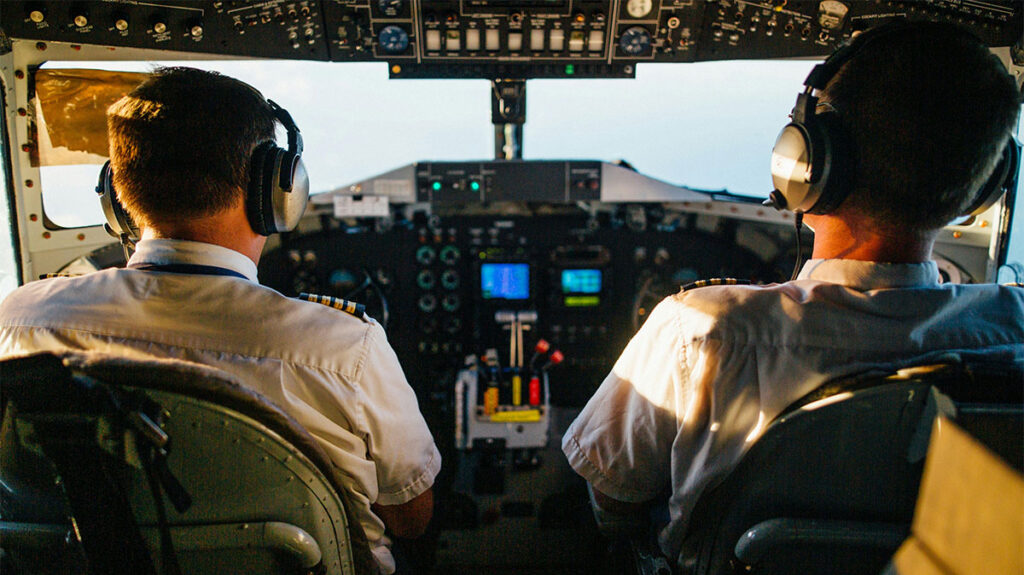
Pilots Fly. AMEs Ensure They Fly Safe.

An Aircraft Maintenance Engineer (AME) is the professional responsible for ensuring every aircraft is airworthy before it takes to the sky. While pilots command the cockpit, AMEs command the safety of the entire machine.

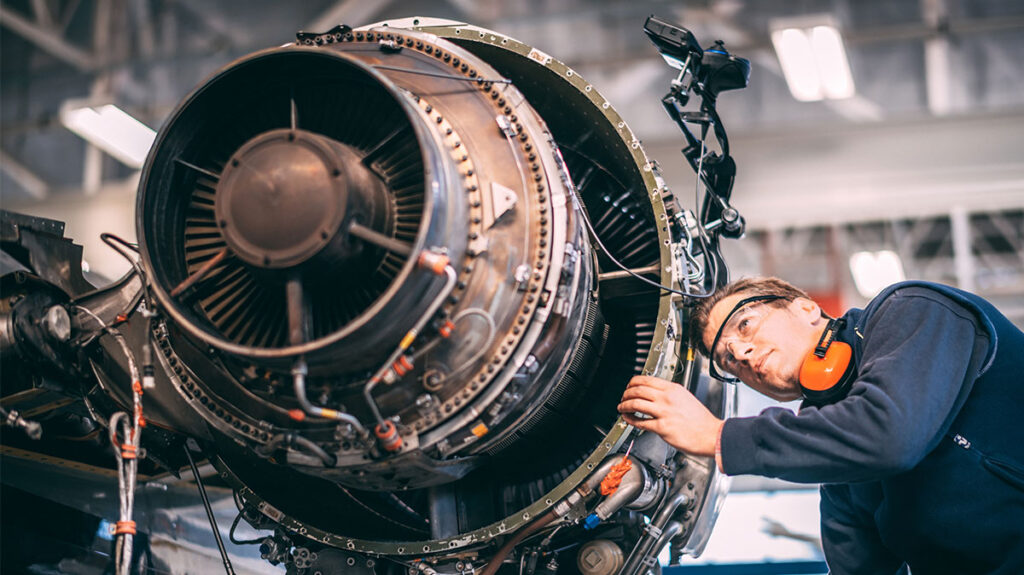
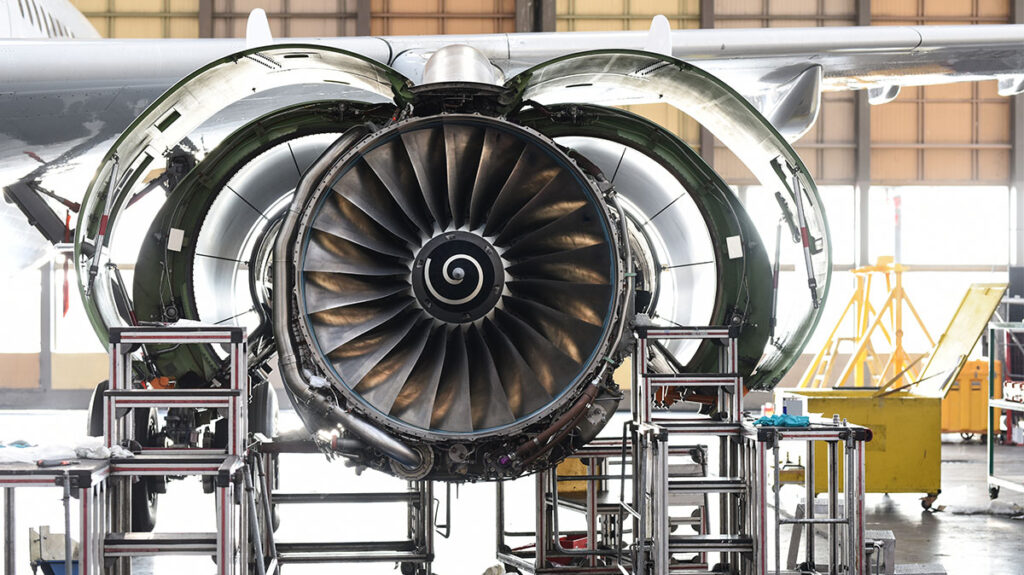
From inspecting turbine engines and overhauling landing gear to certifying avionics systems, the AME holds one of the most critical roles in aviation. Every safe flight begins with the signature of an AME.

The Pilot

Flies the aircraft, navigates routes, and manages in-flight operations from the cockpit.

The AME

Inspects, maintains, and certifies that every aircraft is safe to fly. No flight happens without their approval.

Our Programs

Choose Your Specialization

B1.1 – Aeroplane Turbine (Mechanical)

Focus on the aircraft’s structure, engines, and mechanical systems. Learn to inspect, repair, and certify the physical components that keep aircraft flying safely, from turbine engines to landing gear and hydraulic systems.

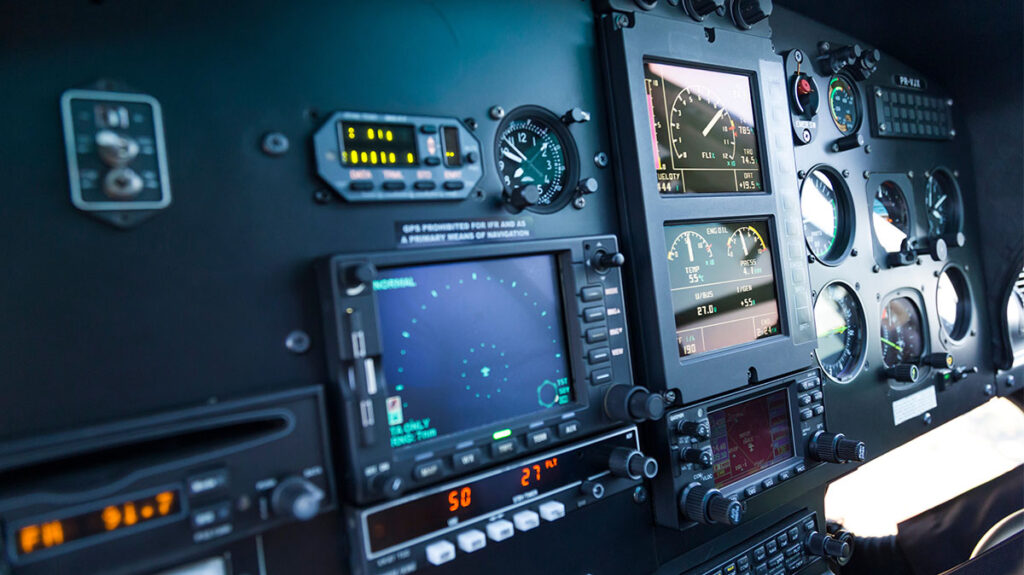
B2 – Avionics

Dive into the aircraft’s electrical systems, navigation instruments, and communication equipment. Master the digital and electronic systems that guide modern aircraft through the skies.

The RIA Advantage

30+ Years Experienced Aviation Faculty

Learn from highly experienced instructors with over 30 years of experience in the aviation industry, bringing deep technical knowledge and real-world maintenance expertise into the classroom to guide the next generation of aviation professionals.

Real Practical Exposure

Train in our hangars on actual aircraft components. Get your hands on real turbine engines, landing gear assemblies, and avionics panels from day one.

Safety-First Culture

We instill the discipline and professionalism required in global aviation. Our students are trained to the highest standards of safety and precision.

Industry-Expert Instructors

Learn from professionals with real-world MRO (Maintenance, Repair, and Overhaul) experience who bring practical knowledge from the field into the classroom.

Requirements

Are You Eligible to Apply?

Passed 10+2 with Physics, Chemistry & Maths (PCM)

OR 3-Year Diploma in Mechanical, Electrical, Electronics, or Aeronautical Engineering

Medically Fit & Not Color Blind

Meet the requirements? Take the next step toward your aviation career.

Start Your Journey

Secure Your Seat.
Only 105 Available.

Fill in your details and our admissions team will reach out to you.

Registration

Your information is safe with us. Our counsellors will contact you within 24 hours.

Testimonials

Our student feedback obut about courses

Regional Institute of Aviation has the best infrastructure in terms of classrooms, labs, libraries and real aircrafts to learn from. Course is equally practical oriented which helps a lot when we go for jobs. We get OJT from Air India etc. which is a great way to learn from actual companies. Institute has good training faculty and provides a good ambience for studies.

Rakhil.S

Mechanical

As I’m a Basic Maintenance Trainee under the CAR-147 basic, the institute met all the standards and requirements by DGCA. Also, the unique feature is that our college has training partnership with AIESL MRO Trivandrum as well as AIRWORKS CMRO Hosur to impart our practicals on Live Aircrafts. Our college has another unique feature from all other college which is revision classes for DGCA modular exams. I have friends studying AME all over India and most do not provide revision classes for Module and final exams. Infrastructure is the best available in India.

Thahaseen Ahammed

Mechanical

The facilities within the college campus are good. The teaching here is one of the best and of top quality. The teachers are highly dedicated and they build the concept in each student. The combination between theory and practicals are excellent. We all are constantly upadated regarding new technologies in this field and i would highly recommende this institute to any student wishing to opt this field as their future life

Arsha S Nair

Avionics

Got Questions?

Common Questions

After completing the AME program and obtaining your license, you will be qualified to work in aircraft maintenance roles across airlines, MRO (Maintenance, Repair & Overhaul) organizations, and aerospace companies. AMEs are responsible for inspecting, servicing, and certifying aircraft — a role that is essential to every flight operation worldwide.

Yes, unfortunately. Color vision is a critical requirement for Aircraft Maintenance Engineers. AMEs must be able to correctly identify color-coded wiring, indicators, and safety markings. Candidates who are color blind will not meet the medical eligibility criteria for the AME license.

B1.1 (Aeroplane Turbine – Mechanical) focuses on the aircraft’s physical structure, engines, and mechanical systems. B2 (Avionics) focuses on the electrical, navigation, and communication systems. Both specializations lead to respected careers, but the choice depends on whether you’re more interested in mechanical engineering or electronics.